
A year ago, we left the city of York and moved to the countryside and a former kennels and catteries on the edge of a tiny village in the Yorkshire Wolds. It was already home to some wildlife, including hedgehogs, but was covered in concrete, old buildings and lots of fencing and rubble.
Our vision is to help nature recover in this small but beautiful (just less than 1 acre plot) potential haven for wildlife.
Here’s a snapshot of how we’ve already helped nature and wildlife to thrive and some tips for your own wildlife garden.
Creating wildlife corridors
We’ve removed tall mesh fencing that was preventing wildlife from getting into and out of the site. Wildlife can now travel safely along the ditch the separates us from surrounding land and into our haven.






Helping wildflowers flourish
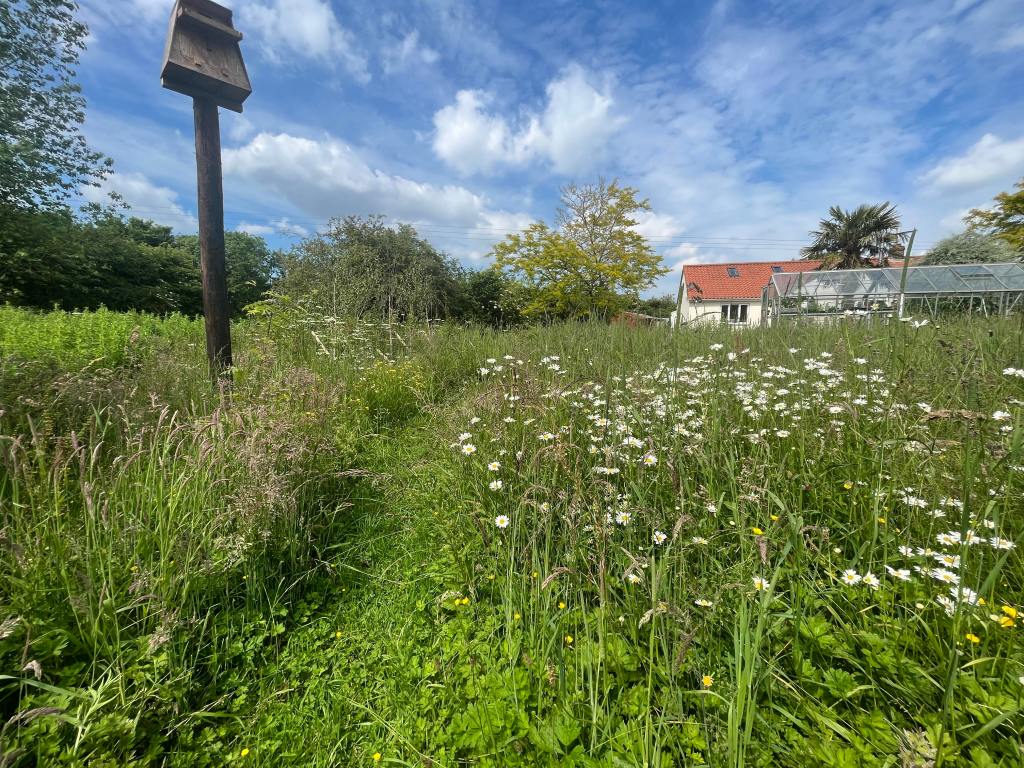
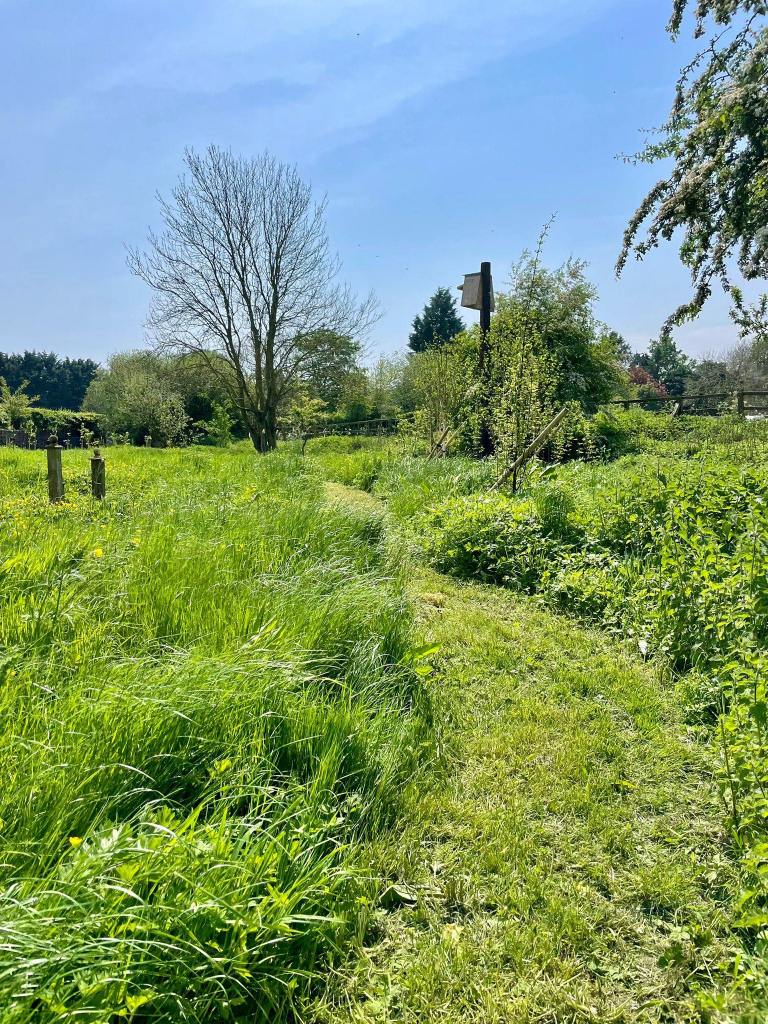
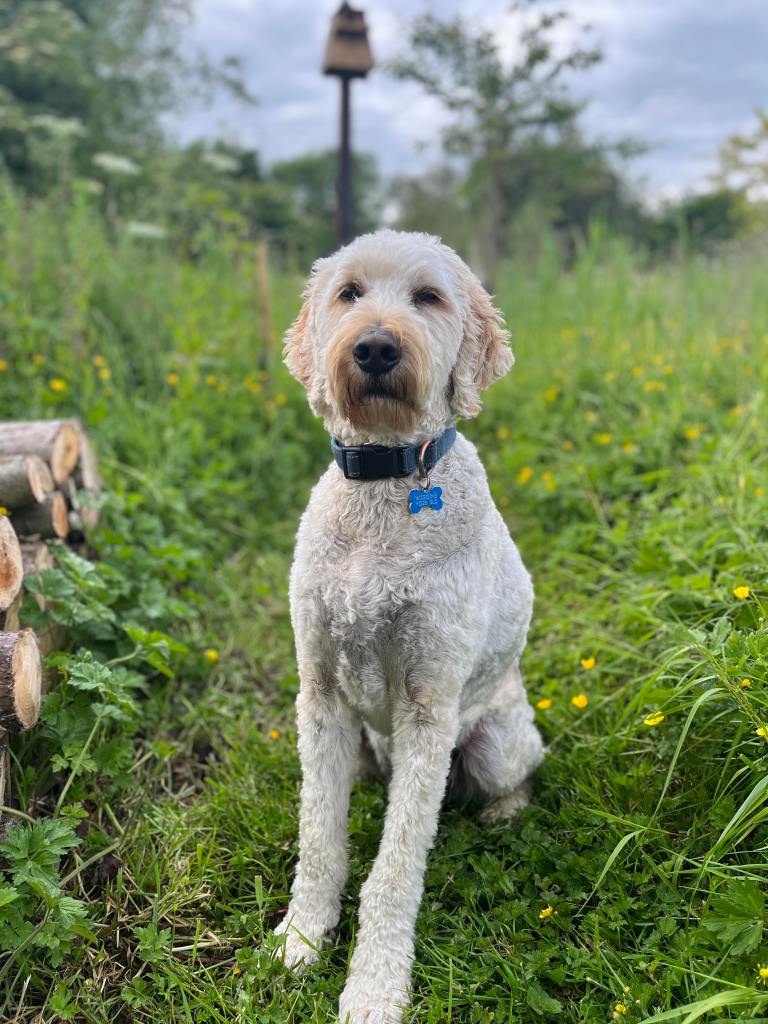
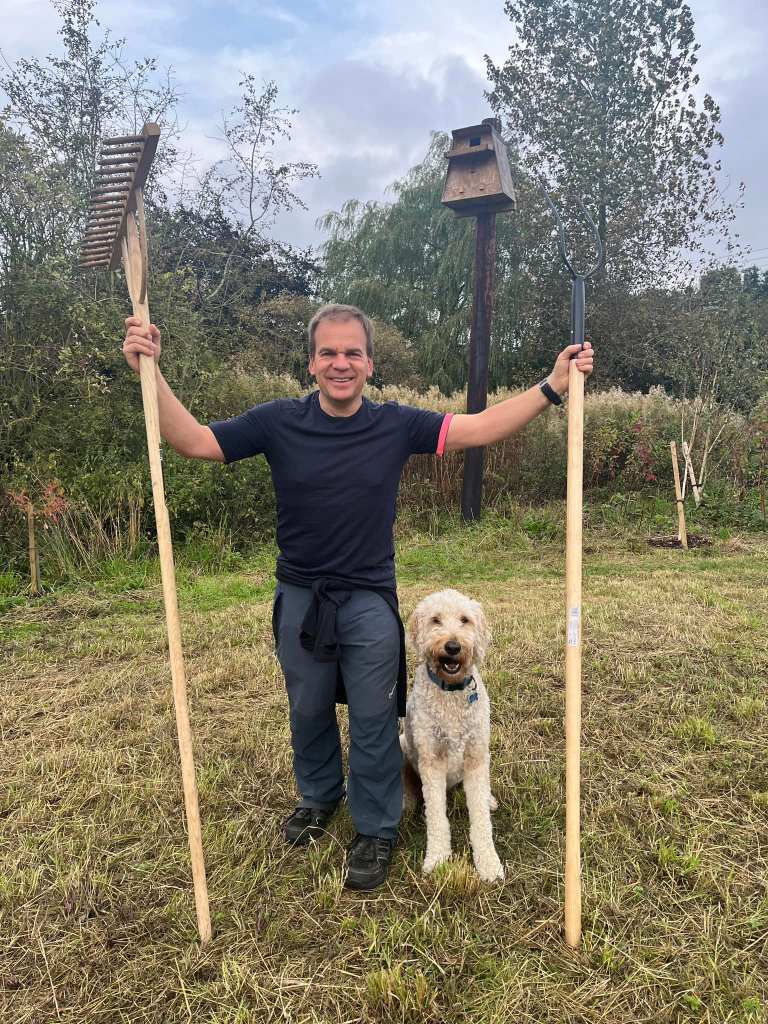
The were already wildflowers here but they were kept mown into a lawn all the time. We are managing the wildflower meadow to encourage the wildflowers to flourish. We are using traditional techniques including scything and have sown Yellow Rattle after harvesting the hay, to reduce the tougher grasses and help more wildflowers to grow. We have Ox Eye Daisy, Red Campion, Wild Carrot, Knapweed, Yarrow, Musk Mallow, Red Clover, Birds-Foot Trefoil and more. We don’t use any pesticides or herbicides.
Building log walls and dead hedges
We’re replacing the wire fences with natural fences that are great for wildlife. The crevices in the log walls and dead hedges provide space for over wintering insects and amphibians and other creatures to hide and hibernate. We’ve also created compost and leaf mould bins from recycled pallets to help us recycle and create our own natural growing media.
Wildlife cafes
We’ve set up feeding stations around the land for hedgehogs and for wild birds. This includes creating natural log feeders to attract Woodpeckers. It’s worked!
Homes for wildlife
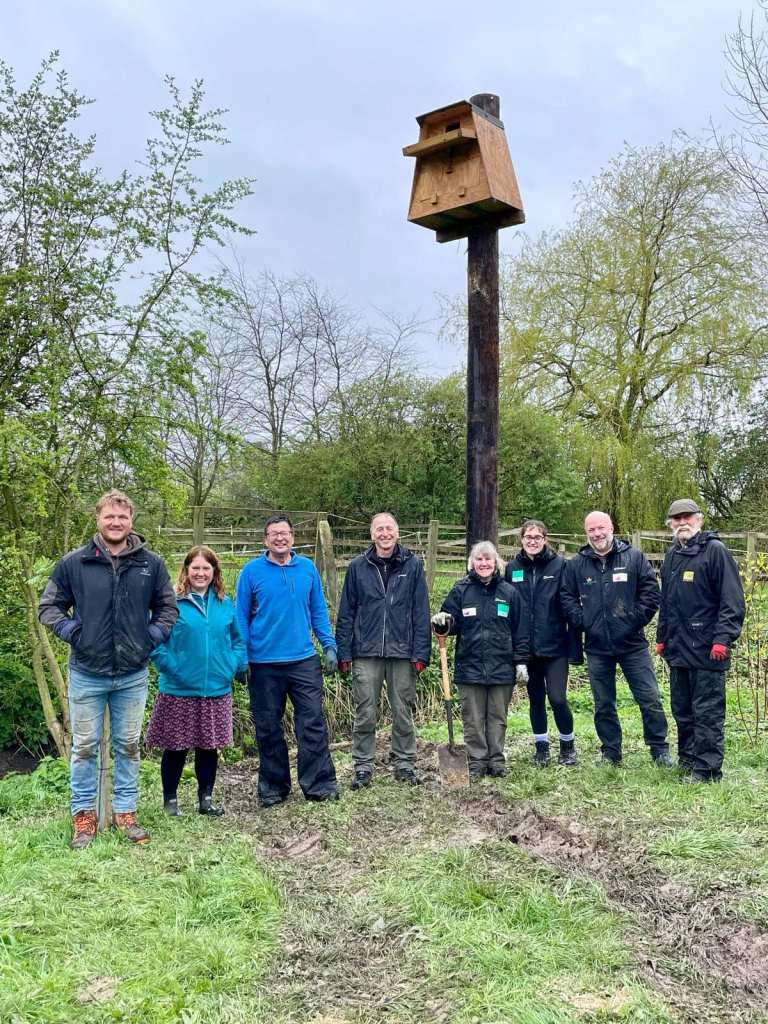
The log walls and compost heaps provide hibernation spots for many creatures and we’ve also installed a Barn Owl box, bat boxes and bird boxes around the site. A Kestrel is currently using the Barn Owl Box as a perch.


Mini woodland
We’ve planted a mix of native saplings, chosen for the flowers, foliage and berries they provide for insects, birds and other creatures. Our mix will eventually create a mini woodland in the corner of the wildflower meadow. Our choice includes Field Maple, Spindle, Hazel, Silver Birch, Alder Buckthorn and Crab Apple. The Spindle is an unusual but wonderful choice, with a vivid green stem in Spring and lovely Autumn colour.
More space for nature
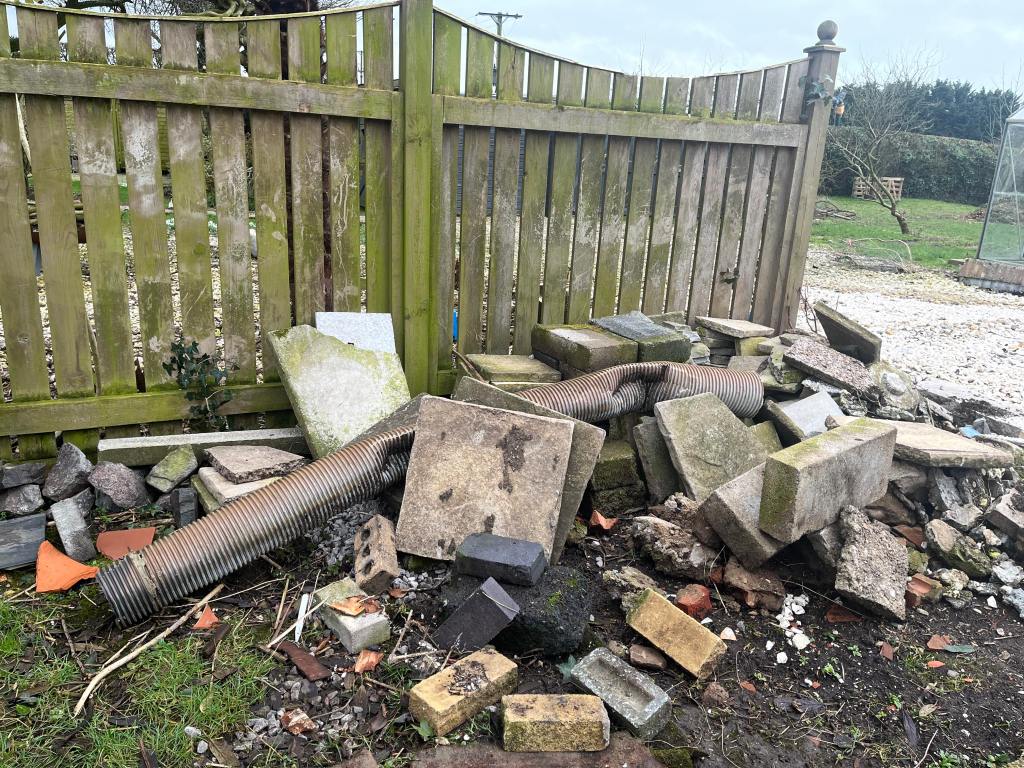
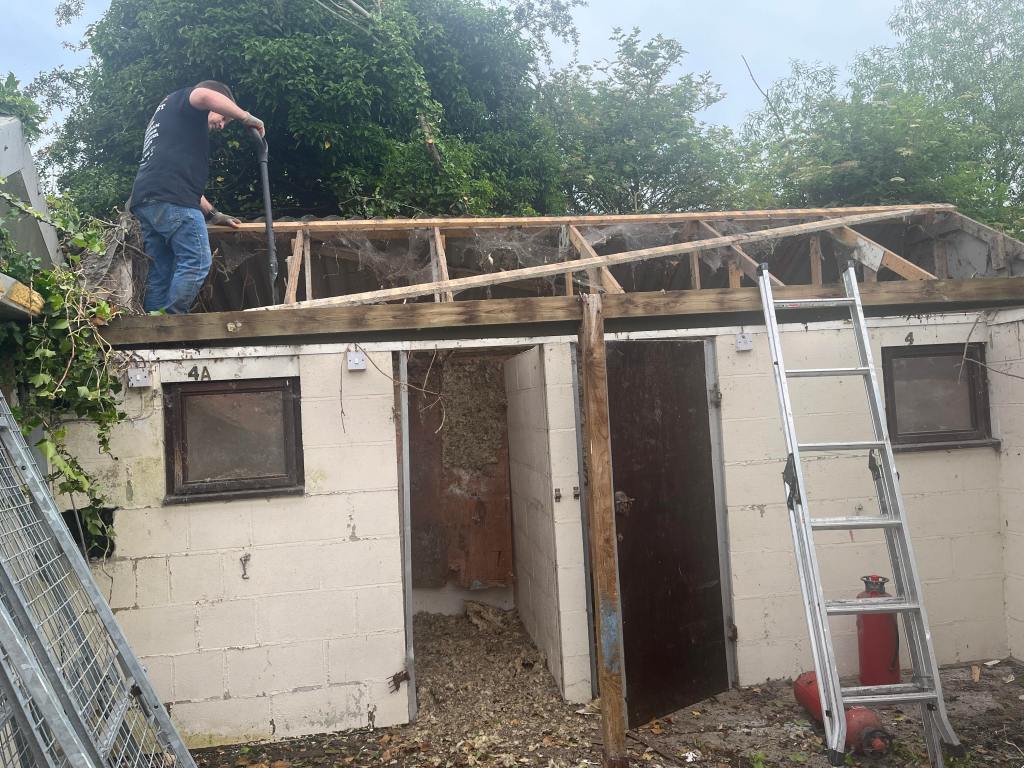
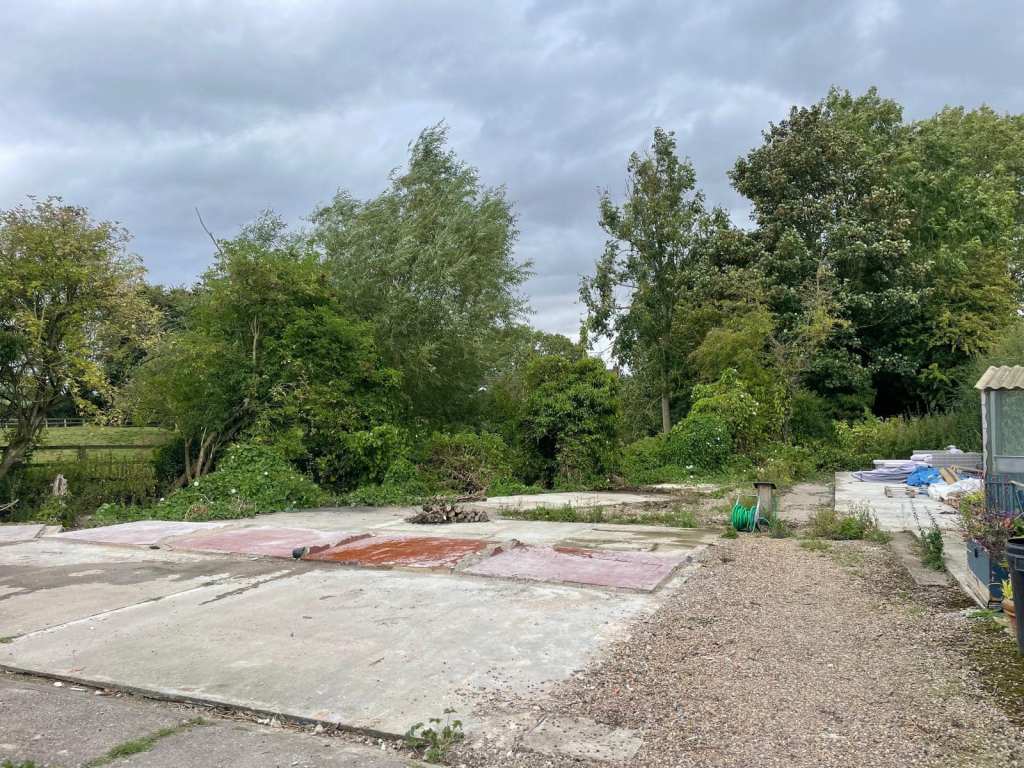
We’ve dismantled by hand a large number of old cattery and kennel buildings that provided no wildlife value. We’ve also removed over 14 tons of rubble and rubbish found around the site including old fridges, freezers, asbestos, gates and concrete blocks.
So far, we’ve counted over 55 species of bird visiting and over 90 different wildflowers. We regularly have hedgehogs visiting and have spotted toads, frogs and deer.
The next stages of our project will involve creating wildlife ponds, more planting and the removal of the concrete under the former catteries and kennels. We will transform this area into a gravel garden that links into woodland. We have more mesh fencing to remove behind some of the other buildings and hope to create a bird hide. Then we will be installing boxes for House Martins and Swallows.
You can support our project to create a haven for wildlife here and thank you so much for following our journey.
 Little Silver Hedgehog