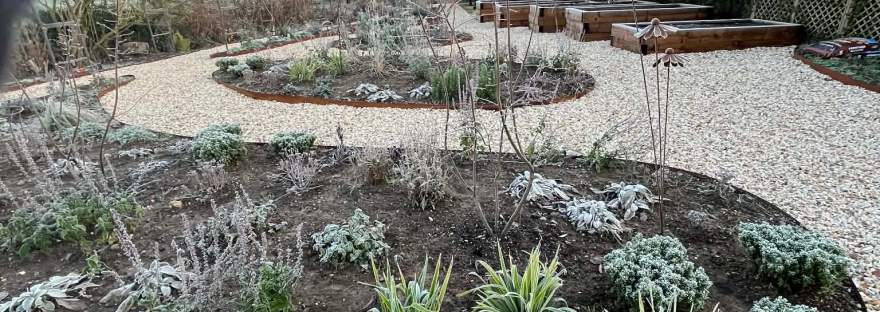
We’re creating a drought-tolerant and climate resilient crushed concrete rubble garden for wildlife on the edge of the Yorkshire Wolds.
Read on to discover my tips for creating your own gravel garden, including the list of plants we have used in ours.
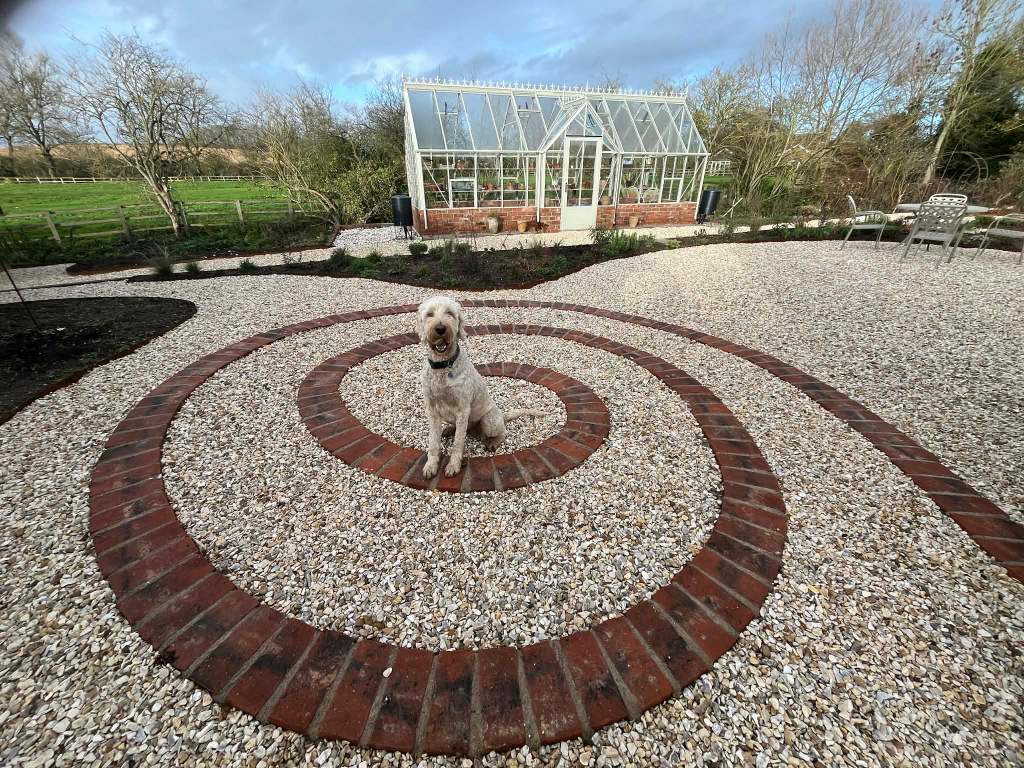
Our gravel garden started life as around 1/3 of an acre of concrete bases and concrete buildings – once an old cattery and kennels that had been unused for over a decade. Before we could even start to create our gravel garden, we needed to dig up and crush much of the concrete.


We started by donating the old metal catteries and kennels to a wildlife sanctuary. We then dismantled the concrete buildings by hand. We removed the roofs, windows and doors, recycling or selling as much as we could to raise funds and mean there were fewer different types of material left on site, making the next stage easier. We even sold some of the old concrete blocks to people working on their own garden projects.
Once we were left with just concrete bases and demolished concrete walls, we brought in expert groundworkers. They worked to a design that we had created by a garden designer. We tried doing that bit ourselves but it was too much of a challenge, especially as its was hard to see the lay of the land with the concrete still there. The garden designer introduced us to the local groundwork team, who were already familiar working to her designs.
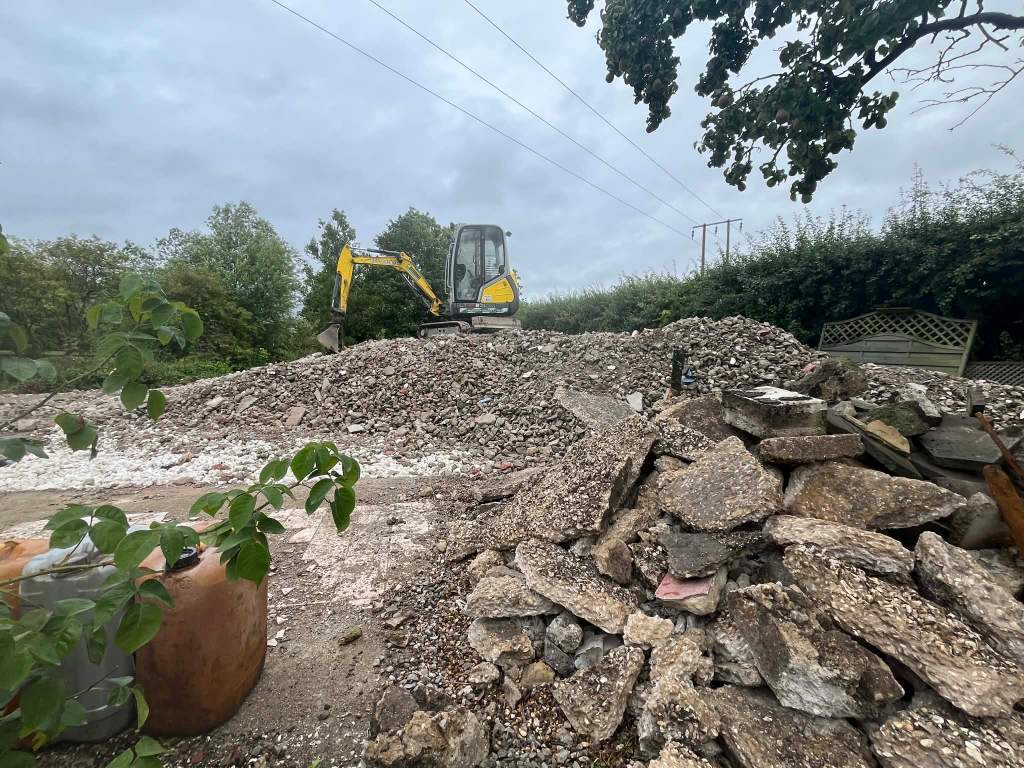
The landscapers dug up around 200 tons of concrete. A crusher was brought into crush around 70 tons of the concrete. Larger slabs were taken away to be crushed off site. Much of the crushed concrete was kept on site as the substrate for the new gravel garden. The rest was donated for landscaping projects.
Here’s a video of the transformation:
Our focus on recycling has made the garden as eco friendly as possible, reducing the amount of waste sent to landfill. The crushed concrete is free draining and perfect for plants that require minimal water. There are many great examples of larger scale gravel gardens created on old concrete wasteland. Beth Chatto’s gravel garden was once a car park. The Knepp gravel garden uses crushed concrete and sand as a base. The Royal Parks are also experimenting with using different grades of crushed concrete in their new gravel gardens.
The curved beds were created using ProEdge by EverEdge in Cor-Ten Steel. We had to use the deeper 150mm version to go into the hardcore. We’ve left some of the edging visible as a feature and are using Cor-Ten steel throughout the garden to tie in, including for some large planters for trees. It took a month to complete the digging, crushing and creation of the new beds.
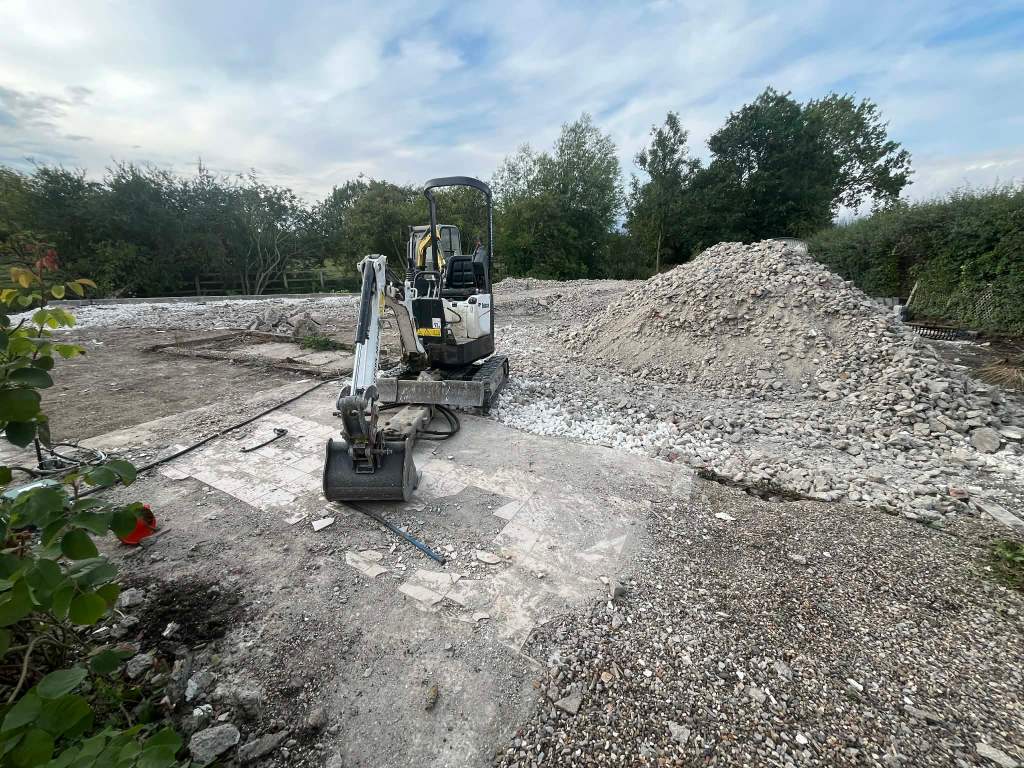
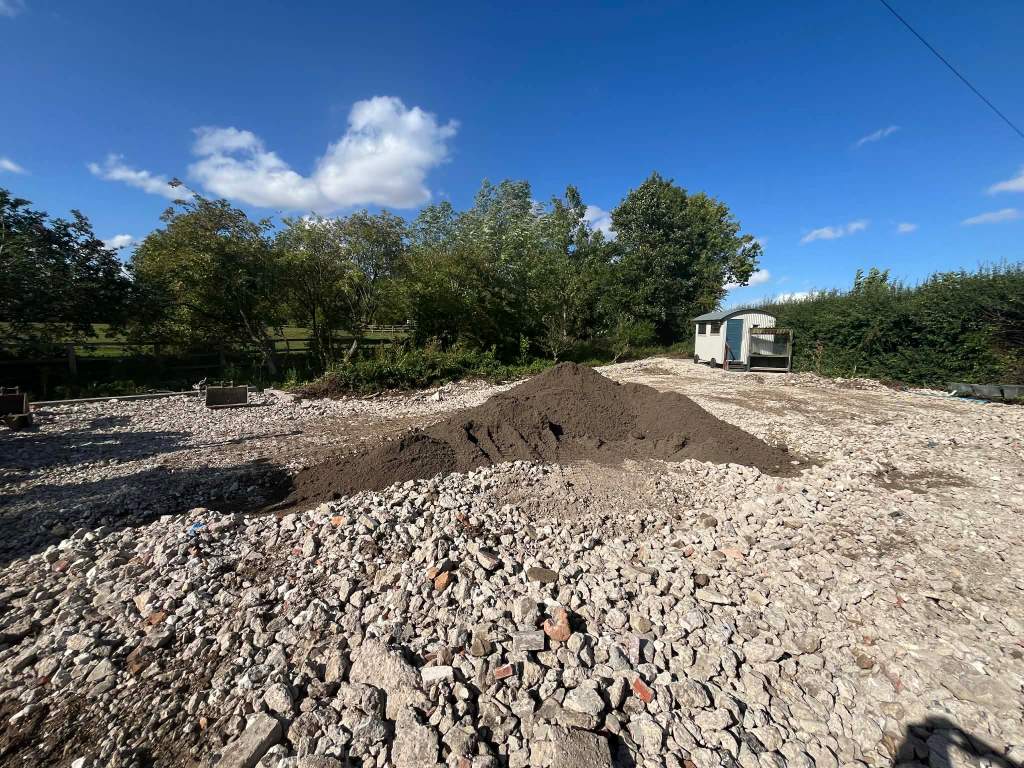
We were able to reuse some soil that was dug out from underneath the concrete but we also had to import some topsoil. Gravel and some fine grade crushed concrete was added to the top soil to help drainage. The new topsoil is void of life, such as worms, so we are busy making homemade compost to add life to the soil – essential for a wildlife garden.
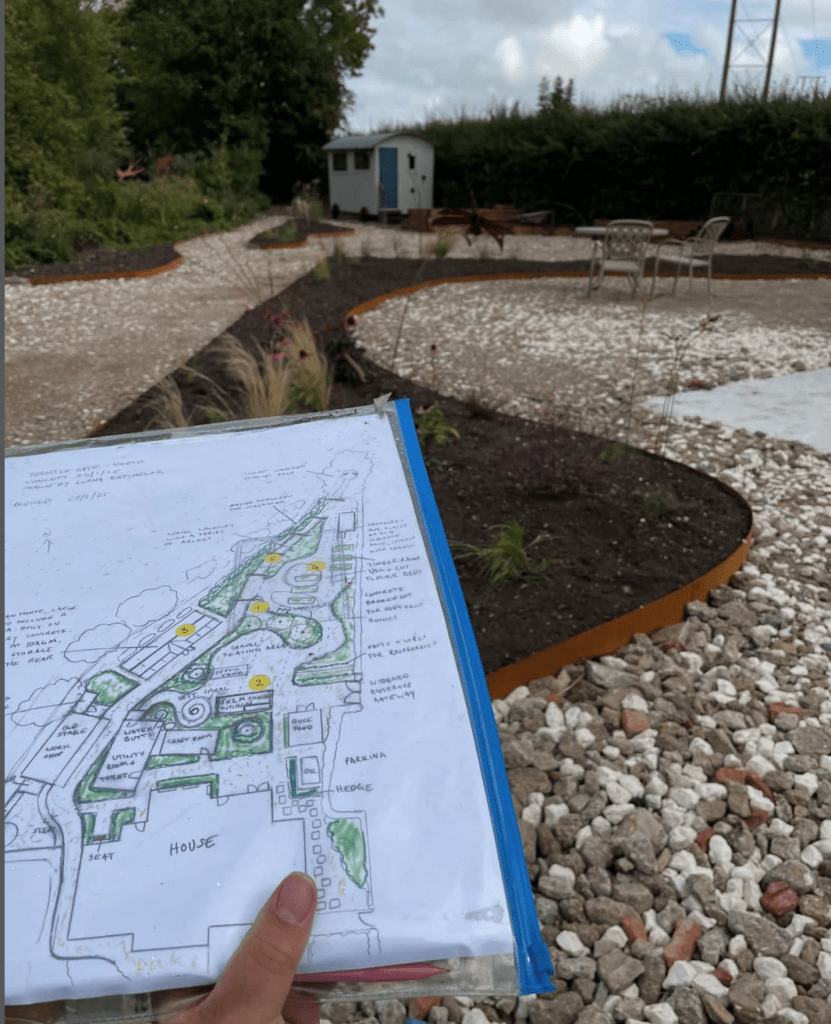
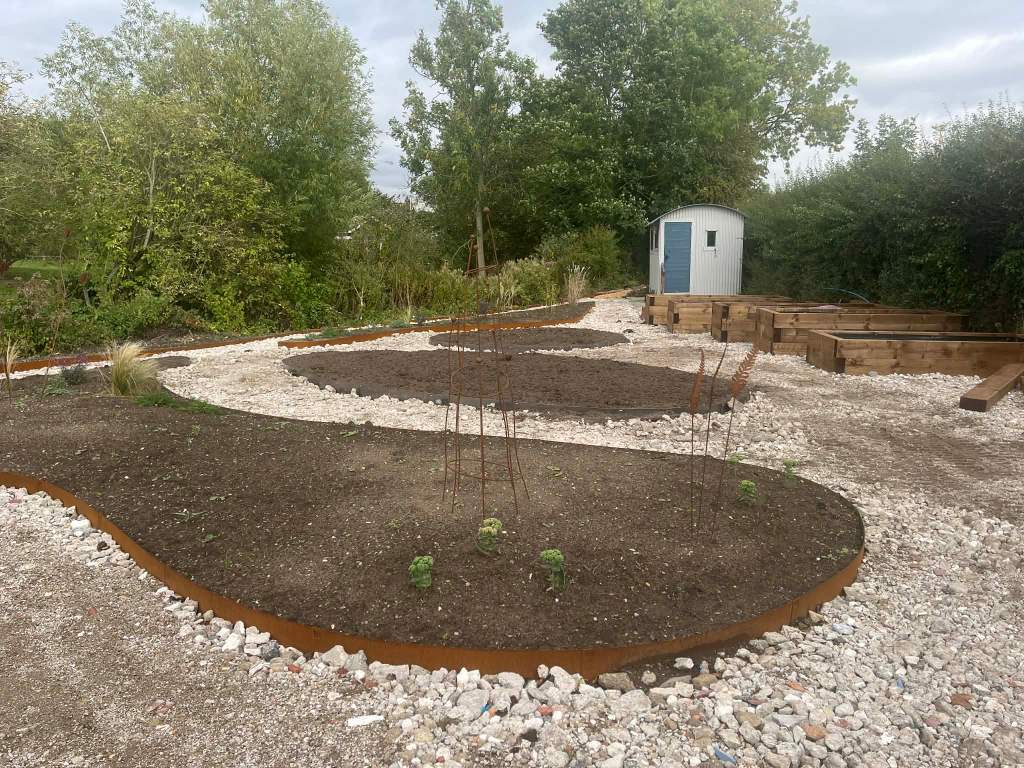
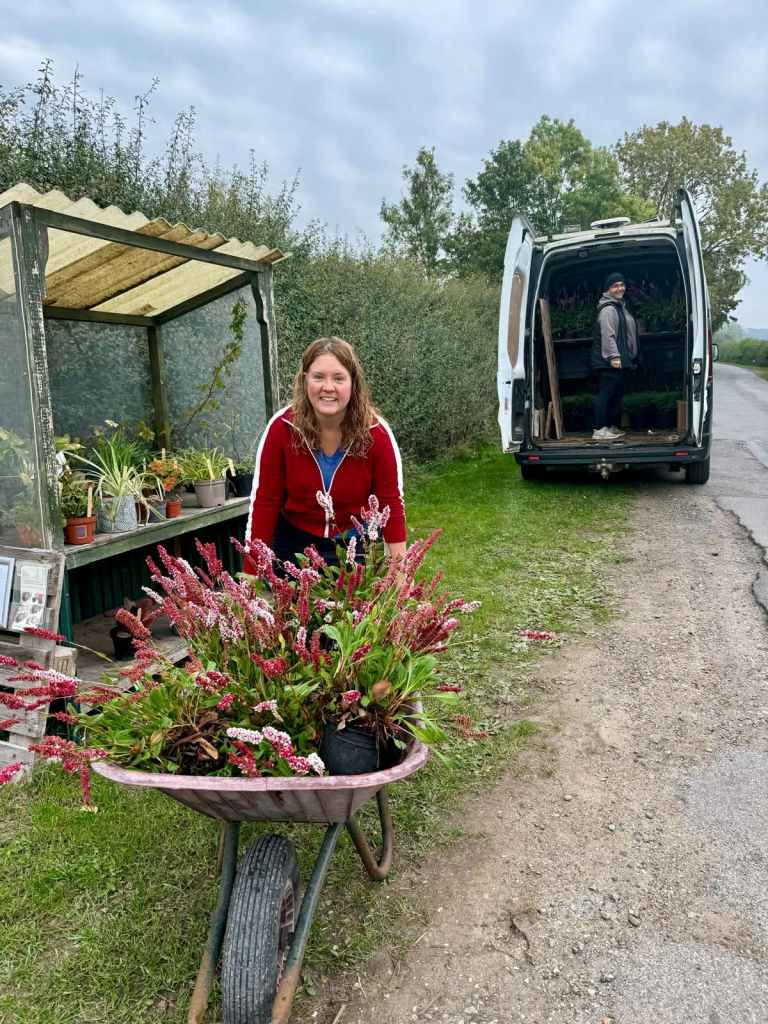
In September, we planted up some of the beds with established perennials and Spring bulbs. We bought larger plants with the plan of dividing them in the Spring to add to the remaining beds. Some of the plants I have grown from seed or divided from plants that were already thriving here. We’ve focused on providing seasonal colour with stems and seedheads for birds and insects plus some evergreens for year-round structure and interest. I chose a palette of white, blue, purple and pink with a few hints of pale yellow. These are the plants we’ve started with:
GRAVEL GARDEN PLANTS
Shrubs
Amelanchier Lamarckii
Hebe Sutherlandii
Ceanothus Blue Mound
Rosemary Jessops Upright
Herbaceous
Miscanthus Red Chief
Verbena Bonariensis
Verbena Bampton
Aster Monch
Echinacea Purpurea
Sedum Purple Emperor
Gaura Whirling Butterflies
Persicaria Darjeeling Red
Stachys Big Ears
Salvia Caradonna
Geranium Rozanne
Alchemilla Mollis
Calamagrostis Karl Foerster
Stipa Gigantua
Stipa Tenuissima
Sisyrinchium Striatum
Spring Bulbs
Allium Sphaerocephalon
Allium Purple Sensation
Allium Chameleon
Allium Multibulbosum ‘Nigrum’
Allium Atropurpureum
Tulip Purple Lady
Crocus Tommasinianus
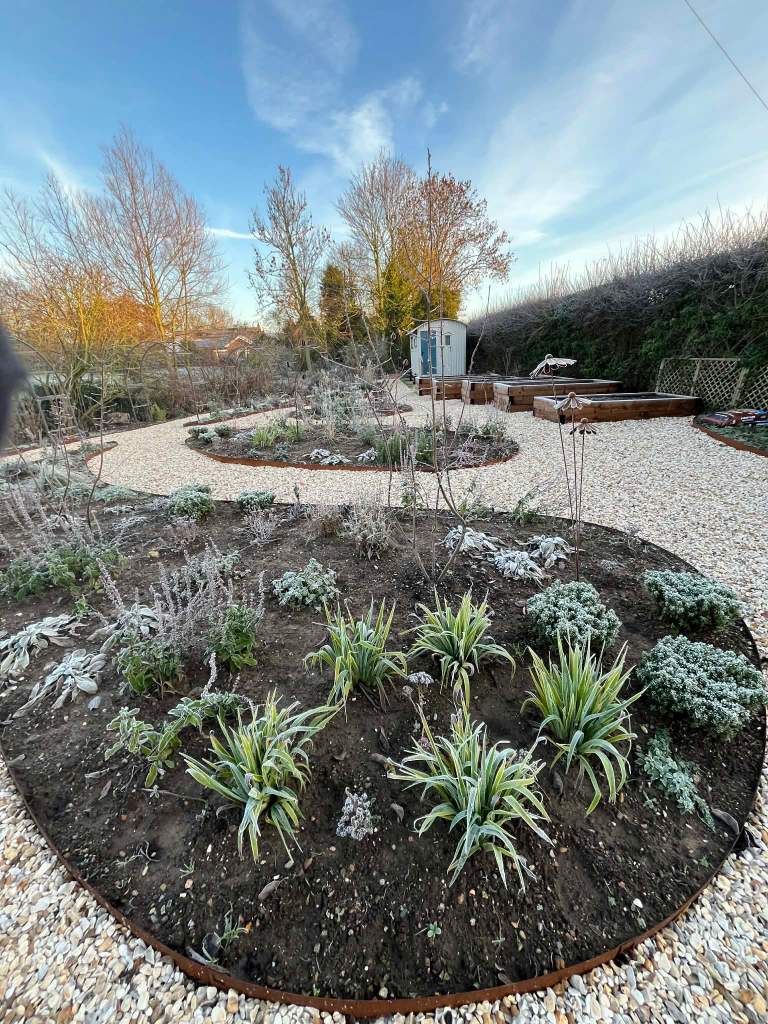
We’ve added raised sleeper beds for growing vegetables and flowers, tapering their lengths to echo the curves in the rest of the garden design. We decided on very tall raised beds, which are much easier to tend.
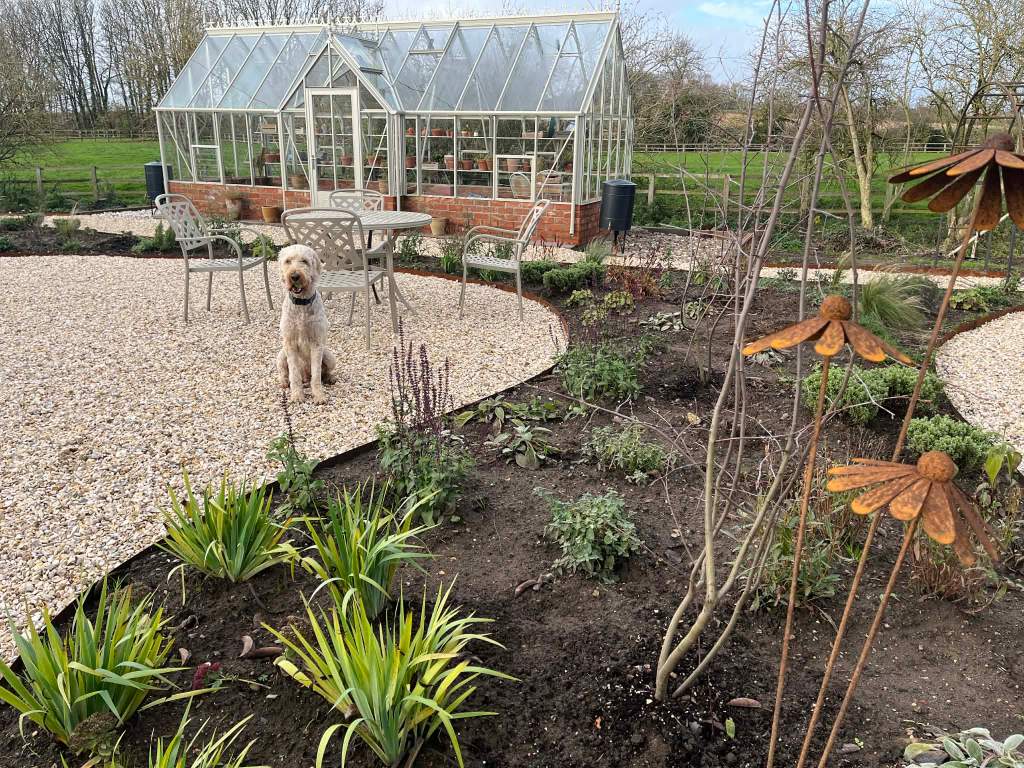
A Victorian greenhouse – a Robinson’s Rushby – is the central feature of the new gravel garden. This is where I will grow many of the plants for the garden and the little roadside stall outside. I will also treat it like a Victorian glasshouse and grow a wide range of plants and succulents, transforming it into a lovely space to just sit and enjoy the garden. We chose to use reclaimed bricks for the dwarf wall, to give it a historic feel and to fit with our reclaimed ethos.
We have added rain water collection points throughout the new gravel garden, including two water butts on the greenhouse – these black metal ones are from Garden Trading and also water troughs. Our aim is to water the garden as little as possible – one of the reason for selecting drought tolerant planting.
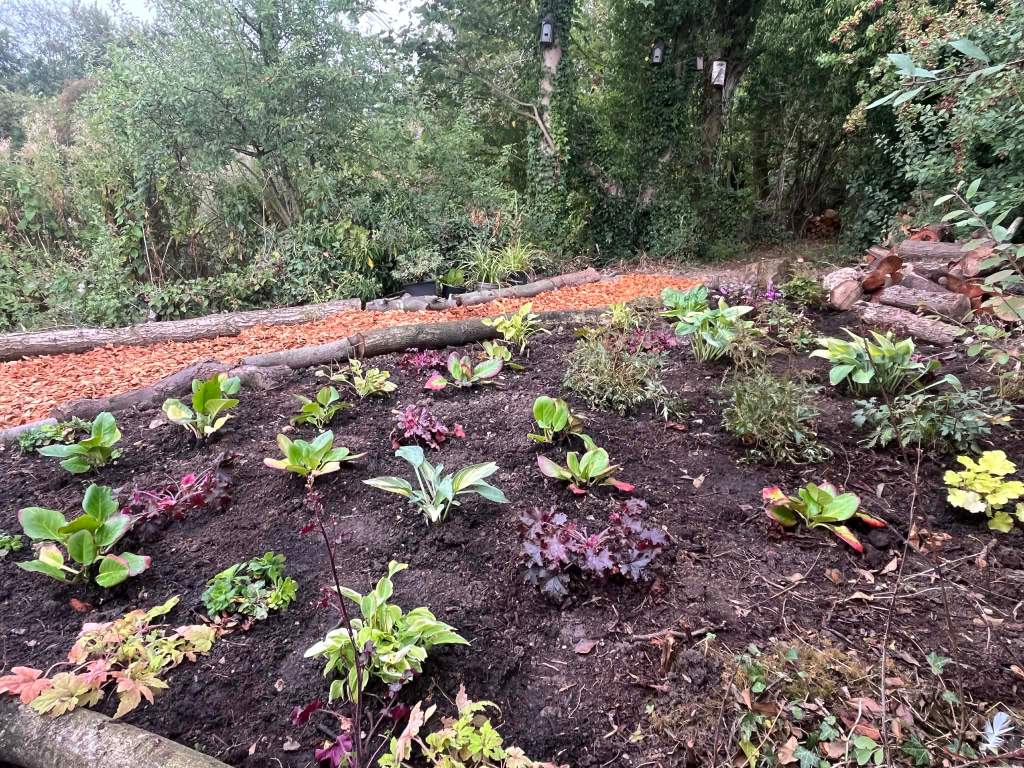
The gravel garden tapers into a small area of woodland at one end. We continued the line of the gravel paths with a log edged wood chipping path. The woodland planting is full of shade loving plants relocated/divided from areas of the garden that are now in sun.

We have lots of work to completed in the Spring, including several more beds to plant and vegetables to start growing in the raised beds.
If you’d like to read the previous updates on work we have undertaken since moving here, you’ll find them below.
November 2024 update – with some great tips for wildlife friendly gardening including log walls, compost heaps and bird boxes.
We will be holding open days in 2026 and courses where you can come and find out about wildlife friendly gardening and all the wildlife features we have here. We are proud to have won a Gold Yorkshire Wildlife Trust Wildlife Gardening Award in 2025 for the work we have already undertaken here!

Thank you for joining us on our journey! If you would like to make a donation to support the next stage of our wildlife project, here are all the ways to support.
If you would like to view the wildlife garden, we have an open day on Saturday 2 May. My studio in the garden will also be open on 16 and 17 May as part of Pocklington Area Open Studios 2026.
If you’d like to help us with the next stage of our project, to create a large wildlife pond, here is our fundraiser.
 Little Silver Hedgehog